History
At Withymoor, we want children to develop a love of History and think like historians. We want them to understand the past, make connections between different periods and recognise how the past has shaped the world we live in today.
History is taught every half term, alternating with Geography. Each unit is carefully planned so that children build on what they already know and develop a strong understanding of the people, places, events and periods they are studying.
Our History curriculum is built around four key concepts:
- Investigate and Interpret the Past
- Build an Overview of World History
- Understand Chronology
- Communicate Historically
Alongside these, five key historical threads run through our curriculum: Migration and Settlement, Monarchy and Power, Empire, expansion and influence, Society, Culture and Legacy, and Conflict and Change. These help children to make links between different topics and see how history is connected. Curriculum topics have been deliberately chosen and sequenced to ensure pupils are able to make connections.
Pupils study local history throughout the school: Red House Glass Cone, Thomas Newcomen/Stourbridge Lion, Ernest Stevens/Bournville Brothers, industrial history and the Foley family. We aim to enhance pupils' knowledge connecting local history to a wider historical context.
Children learn key facts, vocabulary and ideas and revisit these regularly to help them remember what they have learned. Each topic has a knowledge organiser which sets out the key knowledge and vocabulary for children to learn and use.
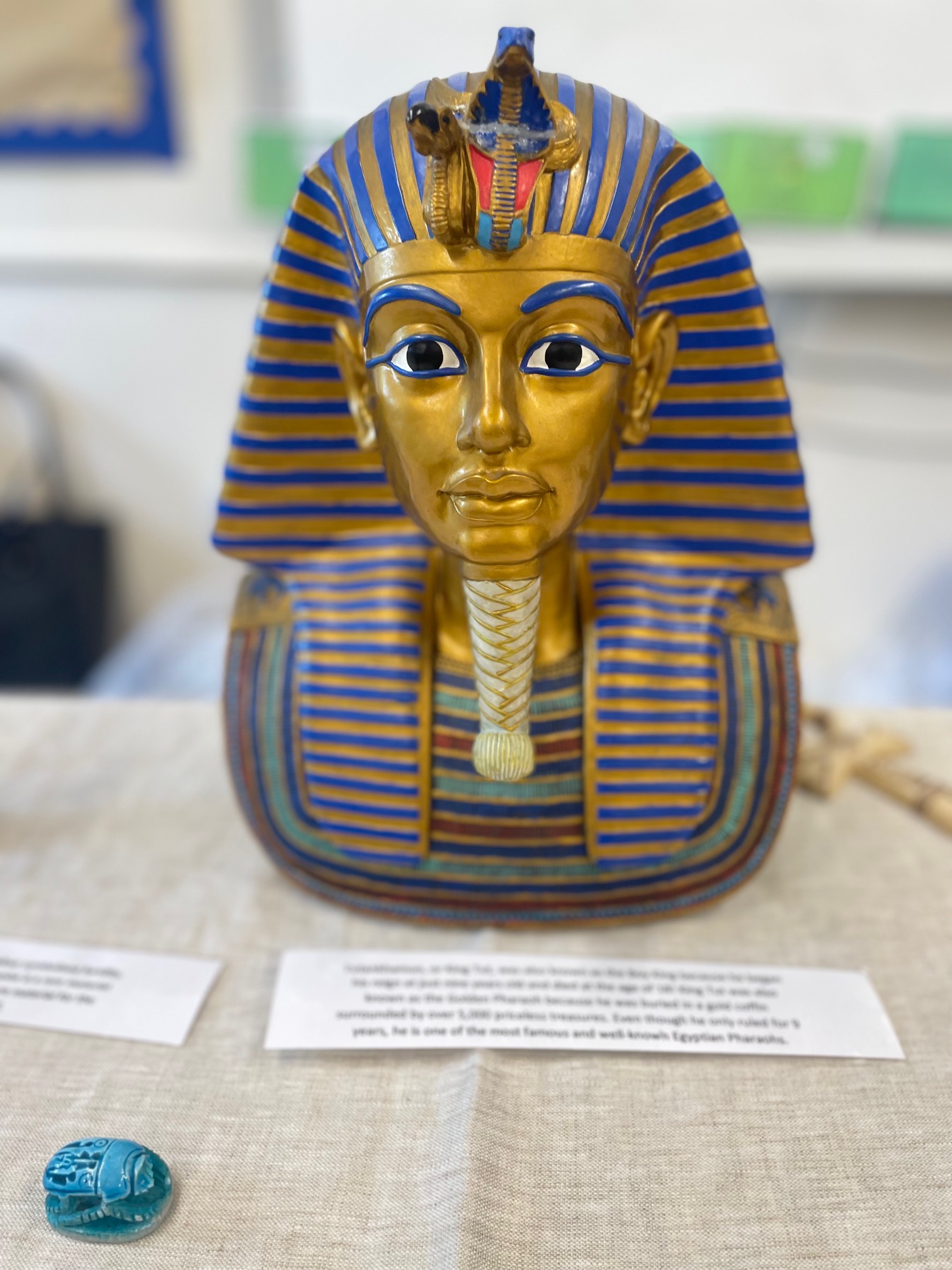
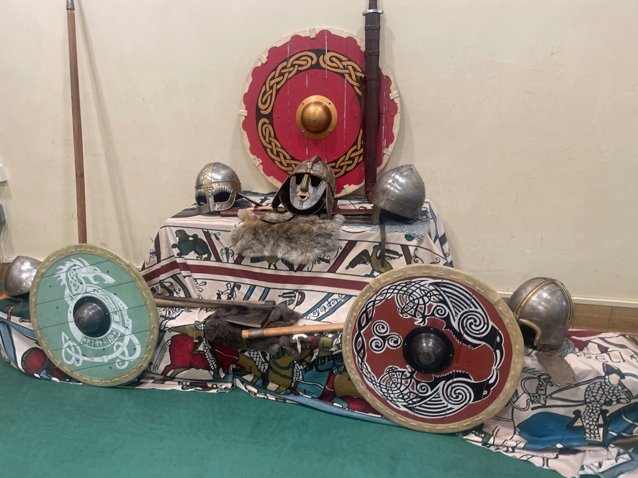
We believe that History should be brought to life. Where possible, children work with artefacts, photographs and historical sources and take part in workshops and visitor experiences. From handling replica Stone Age tools to exploring Roman life or experiencing a Viking workshop, these opportunities help children to develop a deeper and more memorable understanding of the past.
Children are encouraged to ask questions, investigate evidence, discuss different ideas and explain their thinking. They develop their use of historical vocabulary and become increasingly confident in communicating what they know.
We regularly check what children know and remember through questioning, retrieval activities, children's work and pupil voice. This helps us to ensure that learning is building over time and that children are developing a secure chronological understanding.
Ultimately, we want our children to know more, remember more and be able to use what they know. By the time they leave primary school, we want them to have a rich understanding of the past, a secure sense of chronology and the confidence to ask questions, use evidence and think critically about History.
Our History Overview and Progression document outlines our intentions for the teaching of a high quality History curriculum at Withymoor.
Our Local History
At Withymoor Primary School, local history is an important thread running through our History curriculum. Being based in Brierley Hill places us within an area with a rich industrial and social heritage, particularly linked to glassmaking, transport and the Industrial Revolution. The wider Stourbridge area was a major centre of glassmaking for around 400 years, with glass from Wordsley, Amblecote and Brierley Hill becoming internationally recognised.
Children build their understanding of this heritage as they move through school. They explore the Red House Glass Cone, Thomas Newcomen and the Stourbridge Lion, significant local people including Ernest Stevens and the Bournville Brothers, the impact of the Industrial Revolution, and the Foley family and Major Frank Foley. This allows children to see how the history on their doorstep connects to wider regional, national and international events, while developing a strong sense of identity and understanding of their own community. This reflects Withymoor's aim for children to develop secure knowledge of their local heritage and understand how it connects to wider society.